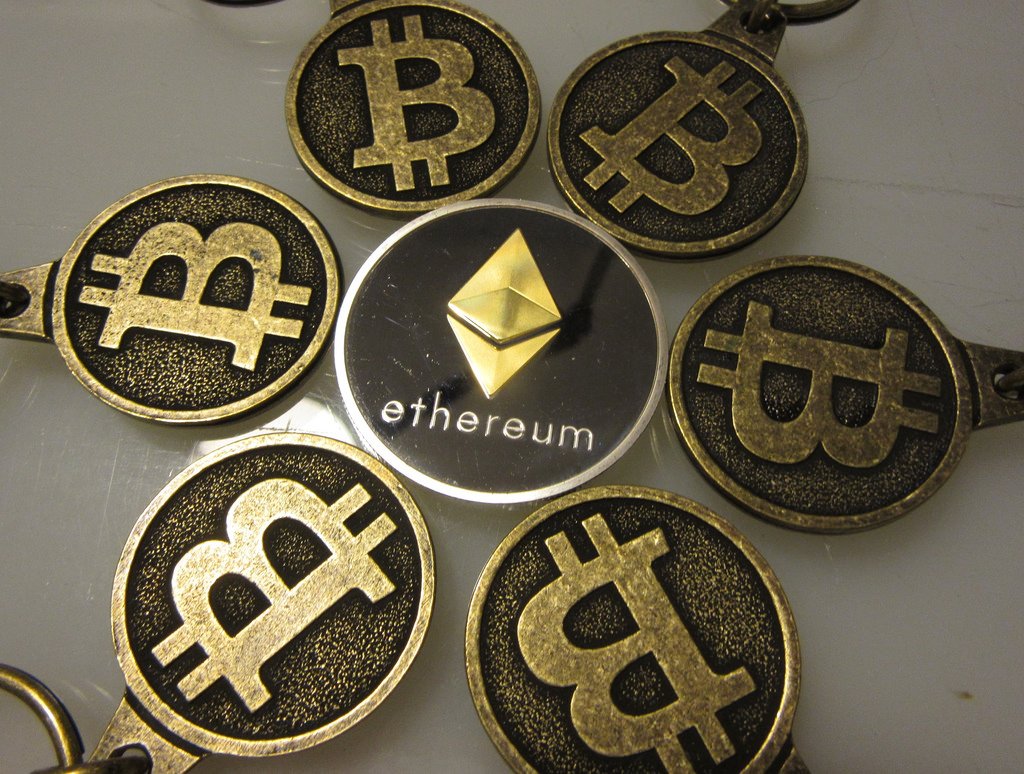
The difference between Ethereum and Bitcoin
Bitcoin is scarce settlement money. Ethereum is programmable value. This 2026 comparison explains finality, gas, smart contracts, rollups, and tradeoffs.
This article explains Ethereum in a newbie-friendly way and compares it to the most popular cryptocurrency: Bitcoin. If you’re brand new, it helps to first skim: how the Bitcoin blockchain works and what a wallet is.
Ethereum in one paragraph
Ethereum is a programmable blockchain that can run code in addition to moving money around. That code is called a smart contract — basically “programs that live on the blockchain” and run exactly as written (source: ethereum.org – smart contracts).
Ethereum’s native token is ETH. You pay fees in ETH to do anything on the network (send ETH, swap tokens, mint an NFT, use a DeFi app). Those fees are priced in gas, which is just a unit for “how much computation/storage work this action requires” (source: ethereum.org – gas).
If Bitcoin is “digital gold”, Ethereum is closer to “a global computer you can’t shut down”.
Bitcoin vs Ethereum (the short version)
Bitcoin is primarily optimized for money: a scarce asset and a settlement network that’s intentionally conservative and hard to change.
Ethereum is optimized for programmable value: money plus apps, tokens, markets, identity, governance, games, and anything you can express as rules in code.
That difference shows up in finality, fee design, smart contracts, token standards, and scaling strategy.
Finality and monetary policy
Bitcoin: predictable scarcity, probabilistic finality
Bitcoin’s supply is capped: only 21 million BTC will ever exist (source: bitcoin.org FAQ). New blocks are generated on average every ~10 minutes (source: Bitcoin whitepaper). Because Bitcoin is proof-of-work, it doesn’t have “instant finality”; instead, transactions become harder and harder to reverse the more blocks are built on top of them.
In practice, many people treat 6 confirmations as a common safety threshold for higher-value payments (source: bitcoin.org vocabulary – confirmation).
The 21 million cap is a consensus rule, not a law of physics. It could only change if users, miners, businesses, and node operators overwhelmingly adopted a different Bitcoin rule set. That is a high bar, which is why people treat the cap as reliable, but the rule still lives in software.
Ethereum: faster blocks, explicit finality, flexible supply rules
Ethereum is now proof-of-stake (more on that below). Blocks are produced in 12-second slots (source: ethereum.org – block proposal). Ethereum also has a built-in “finality” mechanism: under normal conditions, a block is considered finalized in roughly ~15 minutes (source: ethereum.org – single slot finality explainer).
Ethereum does not have a hard cap like Bitcoin. Instead, ETH issuance is governed by protocol rules and has changed over time. Two upgrades matter most:
1) EIP-1559 introduced a base fee that gets burned (destroyed) instead of paid to validators, which can reduce supply when the network is used heavily (sources: EIP-1559, ethereum.org – gas base fee burn). 2) The Merge (September 15, 2022) moved Ethereum from proof-of-work to proof-of-stake and changed ETH issuance significantly (source: ethereum.org – The Merge, and the ETH issuance explainer: ethereum.org – issuance after The Merge).
A simple takeaway for beginners:
- Bitcoin is designed to be scarce and simple.
- Ethereum is designed to be useful and programmable, and its economics evolve with the network.
Smart contracts: the “apps” part
Bitcoin supports limited scripting — useful for things like multisig, timelocks, and other basic conditions.
Ethereum, by contrast, is designed to run general-purpose programs (smart contracts). A smart contract can hold funds, enforce rules, and interact with other contracts. You can build things like:
- crowdfunding without Kickstarter
- lending and borrowing without banks
- exchanges without a central operator
- games and virtual items that users truly own
- liquidity vaults
Ethereum’s core idea is: if it can be expressed as rules, it can be automated on-chain.
A classic mental model is a vending machine: you insert money, and the machine follows fixed rules and outputs a product. Smart contracts are “vending machines” for financial and digital actions, but programmable. (Definition source: ethereum.org – smart contracts)
If you want the famous Vitalik “vending machine” explanation, here’s a representative talk: YouTube – Vitalik on smart contracts.
<iframe width="560" height="315" src="https://www.youtube.com/embed/r0S4qIMf4Pg?si=KcG0vJ2KoECN9kz2" title="YouTube video player" frameborder="0" allow="accelerometer; autoplay; clipboard-write; encrypted-media; gyroscope; picture-in-picture; web-share" referrerpolicy="strict-origin-when-cross-origin" allowfullscreen></iframe>
Apps built from smart contracts are often called dapps (decentralized applications) or Ðapps, where the letter Ð is the old-English symbol for "eth", translating also into Eth-apps.
Tokens: ERC-20 and beyond
One of Ethereum’s most important features is that it can host other tokens on top of itself.
These tokens live on Ethereum and are controlled by smart contracts, which means you can create assets like:
- loyalty points
- in-game currency
- membership access
- stablecoins (tokens pegged to USD/EUR)
- shares in a project (sometimes legally questionable, but technically easy)
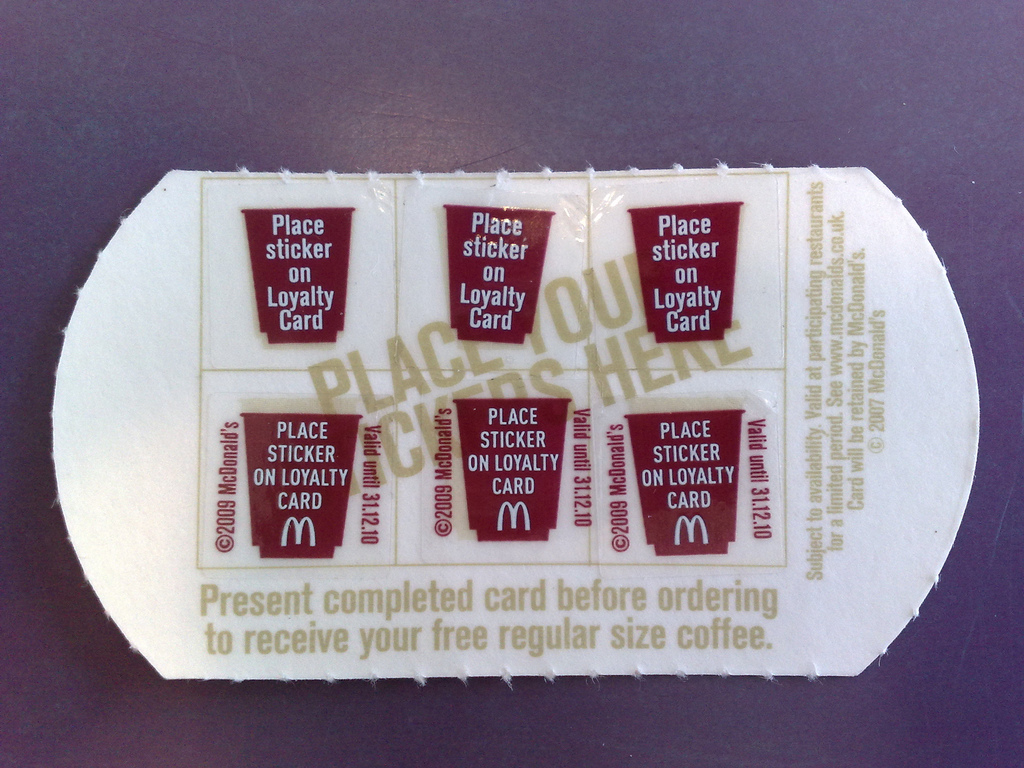
As token usage exploded, Ethereum standardized how common tokens behave. The most famous standard is ERC-20, which defines a common API (functions/events) for fungible tokens so exchanges, wallets, and apps can integrate them consistently (sources: EIP-20 / ERC-20 spec, and ethereum.org – ERC-20 overview).
Ethereum has many other standards too (like NFTs), but ERC-20 is the one that made “token economies” easy to build.
Proof of stake, the Beacon Chain, and “two layers”
Back in 2017, Ethereum used proof-of-work (like Bitcoin) and miners.
Today, Ethereum is proof-of-stake thanks to The Merge (source: ethereum.org – The Merge). That means:
- Validators replace miners.
- Validators are chosen to propose/attest blocks based on stake and protocol rules.
- To run your own validator, you deposit 32 ETH and run validator software (sources: ethereum.org – staking, ethereum.org – PoS).
If a validator tries to cheat, it can be penalized (“slashed”). If it behaves correctly, it earns rewards.
“Dual chain” (what people mean)
People sometimes say Ethereum became “two chains” after the Merge because you’ll hear terms like:
- Beacon Chain (consensus layer)
- Execution layer (the “mainnet” logic that runs transactions and smart contracts)
The clearer way to think about it is: Ethereum is one system with two major parts working together:
- The consensus layer (Beacon Chain) decides which blocks are valid and final.
- The execution layer processes transactions and runs smart contracts (sources: ethereum.org – The Merge explained, and a plain-language overview from Visa: https://usa.visa.com/solutions/crypto/the-merge-ethereum.html).
Energy use
A major practical consequence of switching to proof-of-stake is energy: Ethereum’s energy consumption dropped by an estimated ~99.95% after the Merge (source: ethereum.org – Merge energy section, and the deeper breakdown: ethereum.org – energy consumption).
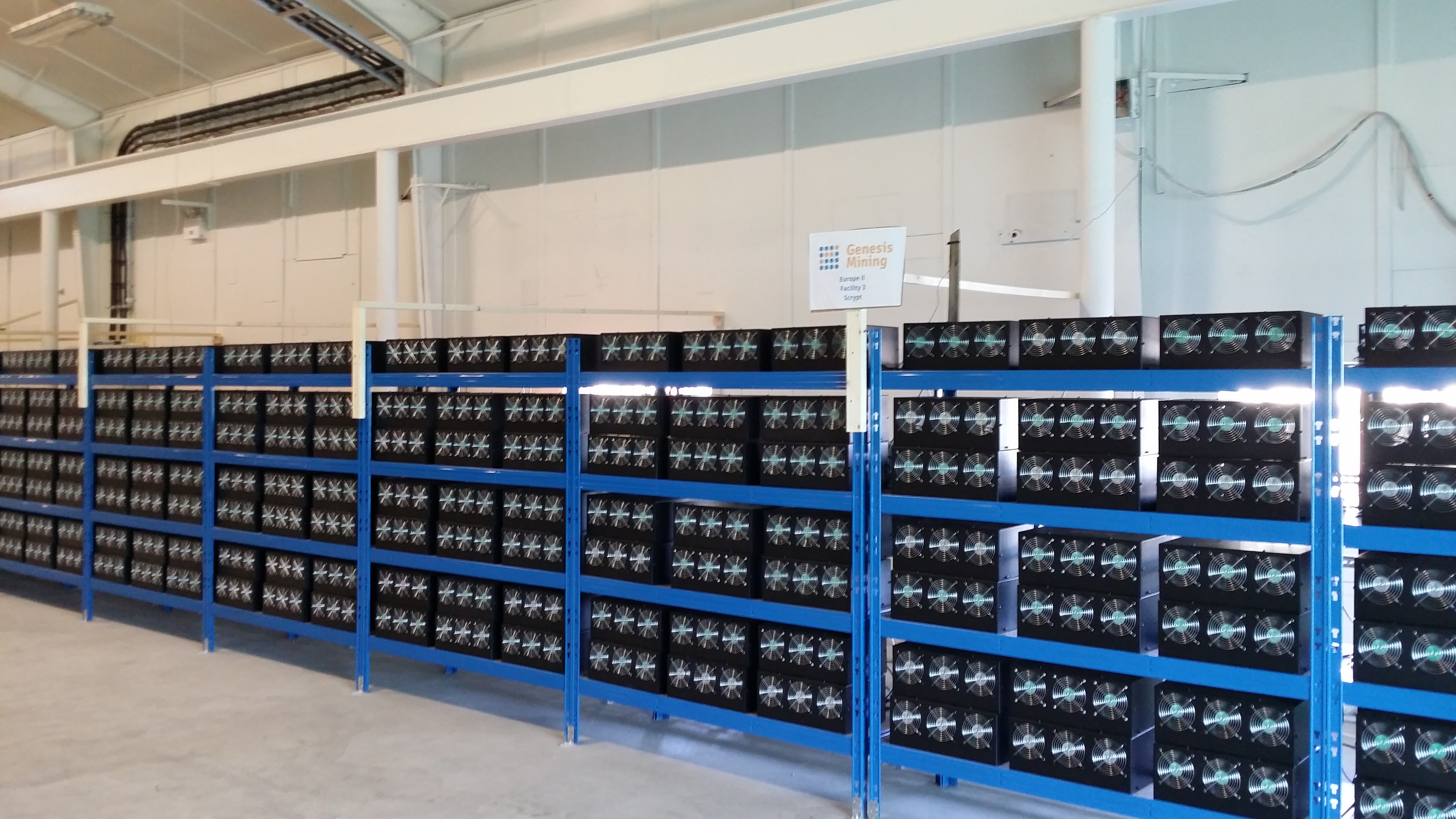
(That picture is how it used to look for proof-of-work chains. It’s not how Ethereum is secured anymore.)
Blobs, rollups, and why Ethereum scales above Layer 1
If you tried Ethereum during the 2020–2022 mania, you probably remember fees getting ridiculous.
The modern Ethereum scaling strategy is: keep Ethereum L1 extremely secure, and scale using rollups (Layer 2 networks that bundle many transactions and settle them on Ethereum).
A key 2024 upgrade called Dencun activated EIP-4844 (proto-danksharding), introducing blobs — a cheaper way for rollups to post data to Ethereum blocks (sources: ethereum.org – Dencun, ethereum.org – danksharding / EIP-4844).
Beginner translation:
- Rollups are typically chains, sometimes apps, that need to publish some data back to Ethereum to stay verifiable.
- Before blobs, that data was expensive.
- Blobs are “temporary data containers” designed to make rollups cheaper without bloating Ethereum’s long-term storage.
This is one reason modern Ethereum usage often happens on L2s while Ethereum L1 acts as the settlement and security anchor.
Conclusion: fuel vs oil
Bitcoin and Ethereum are both cryptocurrency networks, but they’re trying to be different things.
A useful 2026 analogy:
- Bitcoin is like fuel that mostly exists to move the same fuel around.
You can transport it, store it, and settle value with it. It’s intentionally limited in what it does beyond that.
- Ethereum is like crude oil.
You can burn it as fuel (pay fees, transfer value), but that’s not the whole story. Oil is also a raw material that gets refined into countless products: plastics, medicine, makeup, solvents, textiles, fertilizers, and more. Ethereum is similar: ETH powers the system, but the system also enables tokens, markets, digital property, organizations, and applications.
If you’re holding ETH, the important mental shift is: you’re not just buying “a coin”. You’re buying into a programmable economy that can manufacture lots of different “products” on-chain.
If you want to safely hold ETH long term, learn what a wallet is and consider a hardware wallet for cold storage.
Sources and further reading (primary)
- Ethereum history (launch July 30, 2015): https://ethereum.org/ethereum-history-founder-and-ownership/
- Smart contracts (definition): https://ethereum.org/developers/docs/smart-contracts/
- Gas (definition + base fee burn): https://ethereum.org/developers/docs/gas/
- The Merge (PoS transition, Sep 15 2022): https://ethereum.org/roadmap/merge/
- Beacon Chain (Dec 1 2020, Merge context): https://ethereum.org/roadmap/beacon-chain/
- Staking / 32 ETH validators: https://ethereum.org/staking/
- Slots (12s) and epochs: https://ethereum.org/developers/docs/consensus-mechanisms/pos/block-proposal/
- Finality (~15 minutes): https://ethereum.org/roadmap/single-slot-finality/
- Dencun and blobs (EIP-4844): https://ethereum.org/roadmap/dencun/ and https://ethereum.org/roadmap/danksharding/
- ERC-20 / EIP-20 spec: https://eips.ethereum.org/EIPS/eip-20
- Bitcoin 21M cap: https://bitcoin.org/en/faq#how-does-bitcoin-help-against-inflation
- Bitcoin confirmations / 6 conf rule-of-thumb: https://bitcoin.org/en/vocabulary#confirmation
- Bitcoin ~10 minute blocks (whitepaper): https://bitcoin.org/bitcoin.pdf